
Best Junior Tennis Rackets: HEAD, Babolat & Wilson Compared
Quick Picks: Is the HEAD Instinct, Babolat B'Fly, or Pure Drive Right for Your Child?
If you are in a rush to get your child on the court, here is the breakdown of the top performers based on skill level and physical size.Why Does the HEAD Instinct 23 Dominate the Beginner Junior Category?
The HEAD Instinct 23 Junior Tennis Racquet sits comfortably in the "sweet spot" of the market for parents introducing their 6-to-8-year-olds to the sport. Unlike heavy wooden rackets of the past or cheap plastic toys, this features an O-beam aluminum construction. This design creates a stable frame that resists twisting when a child hits the ball off-center, which happens frequently at this stage.
How Does the HEAD Instinct 23 Protect Young Developing Arms?
At this age, arm safety and ease of swing are paramount. The Instinct utilizes a head-light balance, meaning more weight is concentrated in the handle rather than the hoop. This makes the racket feel significantly lighter than it is, allowing young players to maneuver it quickly without straining their developing wrists.The durable aluminum construction is a massive pro here. Kids often scrape the racket against the hard court while learning to dig out low balls. A graphite frame might crack under this abuse, but the aluminum Instinct handles the "court rash" without structural failure. It is a practical, worry-free entry point.
Watch: HEAD Instinct 23 Junior Tennis Racquet
Is the Babolat B'Fly 23 the Best Racket for Learning Tennis Technique?
The Babolat B'Fly Junior 23 Inch Tennis Racquet isn't just a piece of equipment; it is essentially a secondary coach. Babolat designed this specifically for girls aged 6-12 (depending on height), but the standout feature is the educational grip system. The handle features visual markings—often called the "Memo Grip"—that show the player exactly where to put their hands for forehands, backhands, and serves.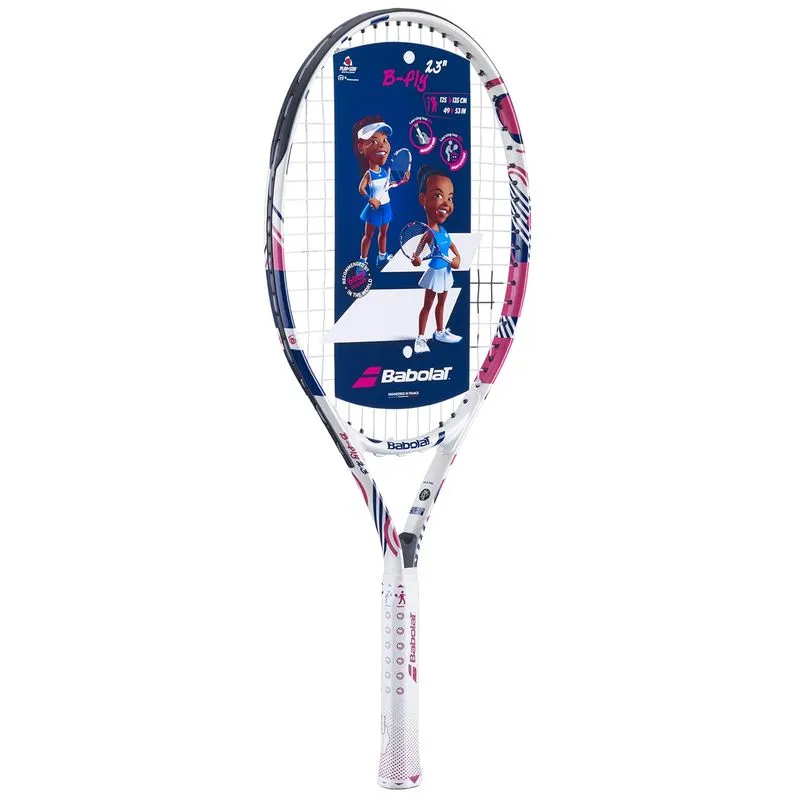
How Do the Babolat B'Fly 23 Visual Aids Improve Player Performance?
Tennis is technical, and grip changes are the hardest concept for beginners to grasp. By glancing at the handle of the B'Fly, a student can self-correct without the coach constantly stopping play. This builds muscle memory faster. Beyond the grip, the racket features a 16x16 string pattern. This open spacing bites into the ball, making it easier for kids to generate lift and spin.Watch: Babolat B'Fly Junior 23 Inch Tennis Racquet
Is the HEAD Speed 21 Specifically Engineered for Toddlers and Small Players?
When we look at the HEAD Speed Junior Tennis Racquet 21-inch, we are looking at specific engineering for the 4-to-6-year-old demographic. Most parents make the mistake of buying a racket that is too long, thinking the child will "grow into it." In tennis, a racket that is too long acts like a heavy lever, pulling the child off balance and forcing them to drop the racket head.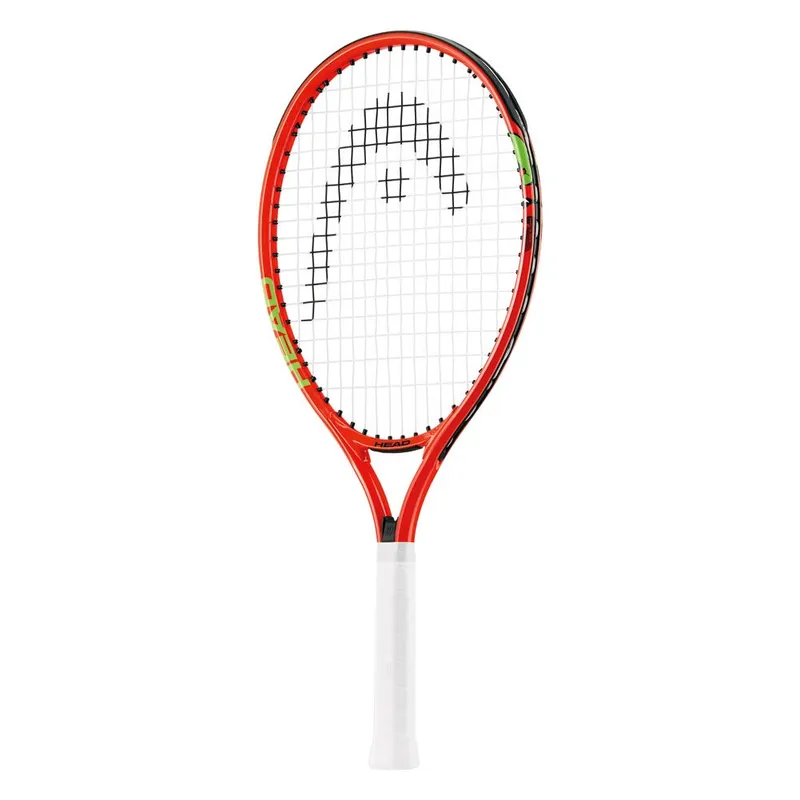
What Is the Weight Advantage of the HEAD Speed 21 Junior Racket?
Weighing in at just 6.3 oz, this is one of the lightest frames available. It allows a small child to swing through the contact zone rather than just blocking the ball. The O-beam aluminum construction mirrors the larger Instinct, providing durability, but the shortened 21-inch length keeps the center of gravity closer to the child's body, drastically improving control.Why Is the Babolat Pure Drive 25 the Top Choice for Advanced Juniors?
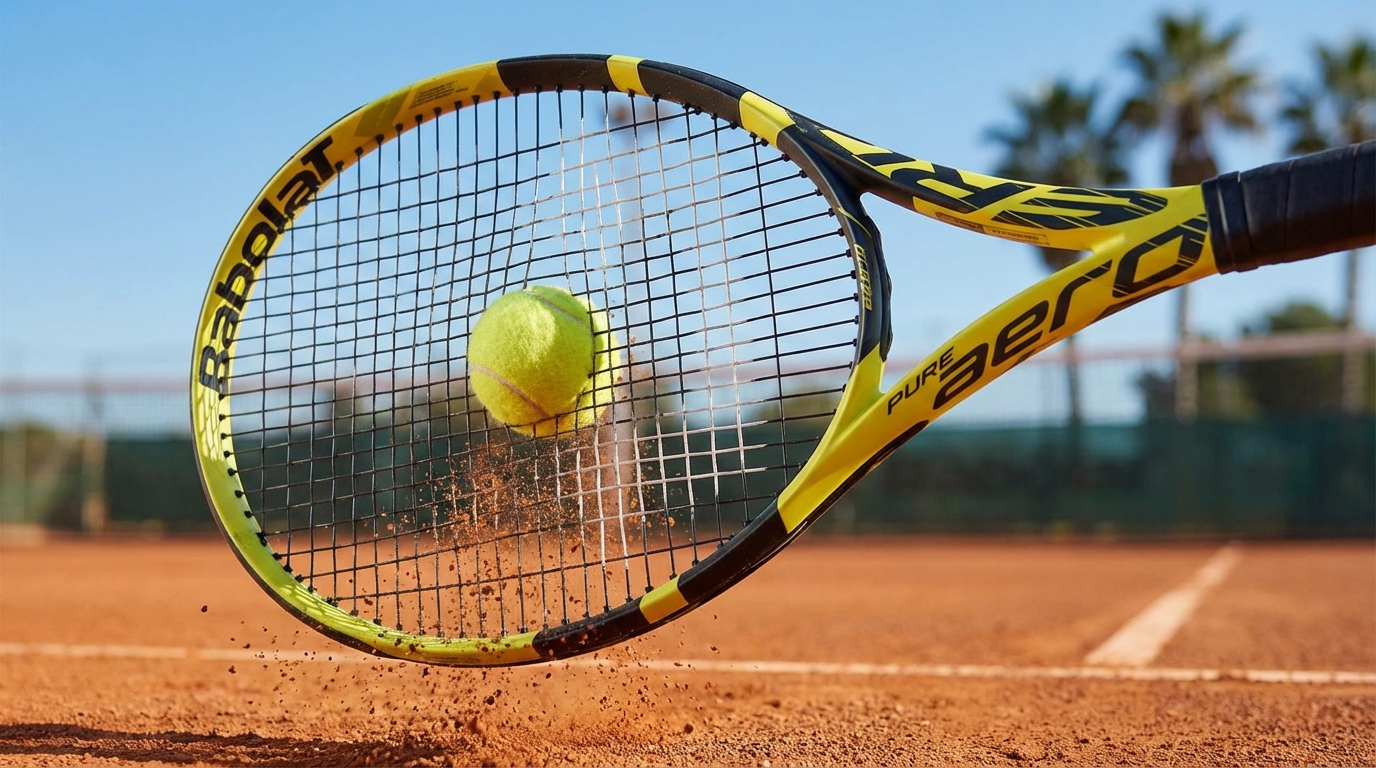
The Babolat Pure Drive Junior 25 Inch Tennis Racquet is a completely different beast compared to the aluminum frames listed above. This is a scaled-down version of the racket used by pros on tour. It is constructed from full graphite, not aluminum. This is the racket for the 9 or 10-year-old who is playing tournaments and hitting the ball with genuine pace.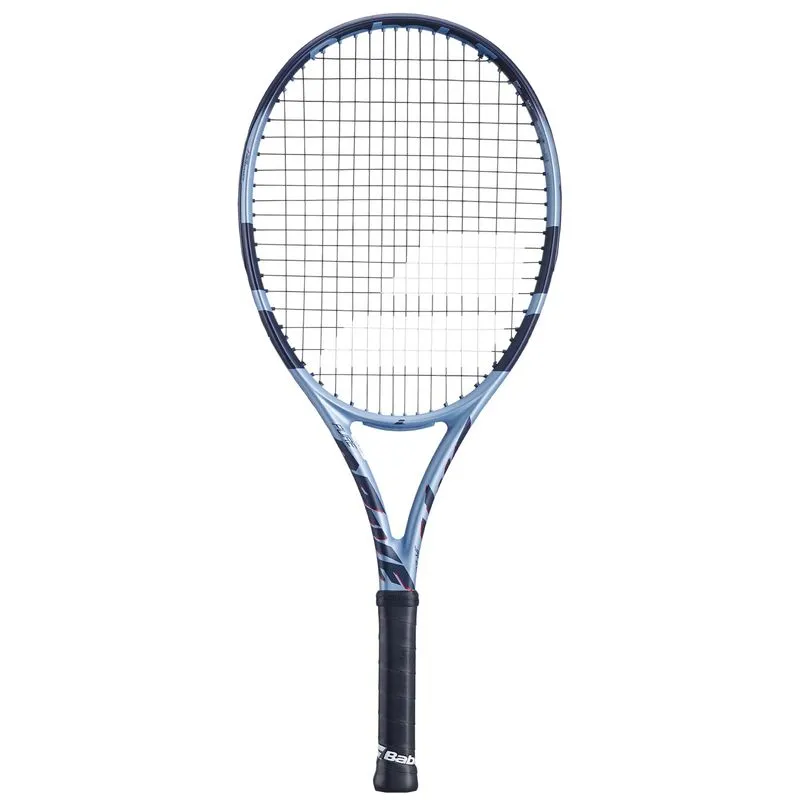
Why Does the Graphite Babolat Pure Drive 25 Cost More Than Aluminum Models?
You are paying for "NF2 Tech" vibration filtering and "FSI Power" technology. Aluminum rackets vibrate significantly when the ball hits the strings, sending shock waves up the arm. Graphite absorbs that energy. The Pure Drive allows competitive juniors to hit thousands of balls a week without the fatigue or "tennis elbow" risk associated with metal frames. It offers genuine power transfer, allowing advanced juniors to dictate play from the baseline.Watch: Babolat Pure Drive Junior 25 Inch Tennis Racquet
Why Is the Wilson US Open 23 the Best Choice for Recreational Durability?
The Wilson US Open Junior Tennis Racket 23 is the workhorse of the category. Utilizing "AirLite Alloy" construction, it is built to survive the playground and the local park courts. While it may not have the specialized grip of the B'Fly or the high-tech graphite of the Pure Drive, it offers USTA-approved specs at an accessible price point.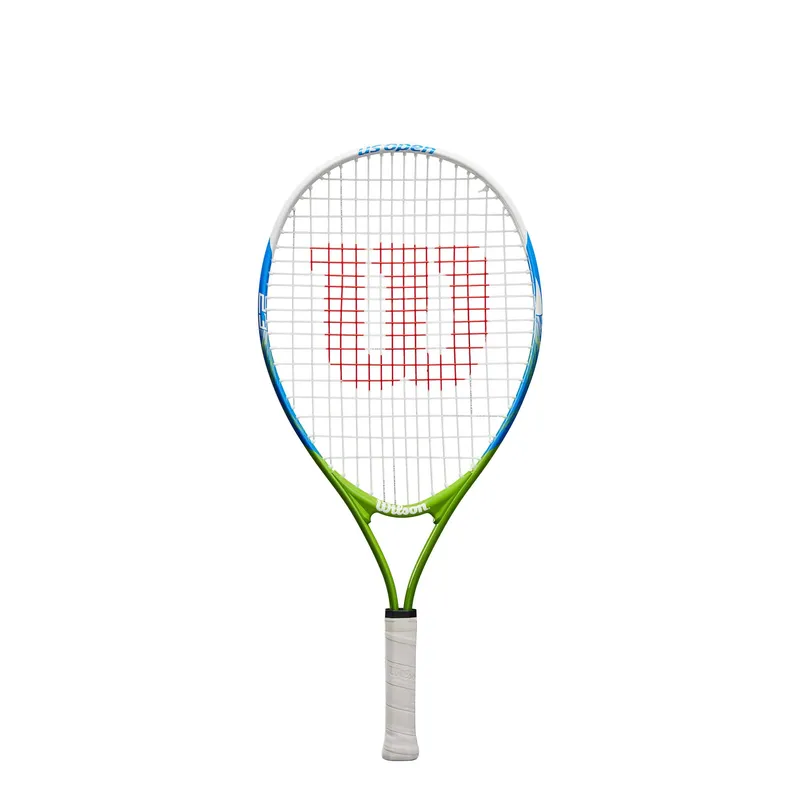
How Large Is the Sweet Spot on the Wilson US Open 23?
This frame is known for a generous head size relative to its length. This large string bed creates a massive sweet spot. For a child just wanting to hit the ball back and forth with a parent, this forgiveness is crucial. It minimizes the frustration of "shanking" the ball off the frame. It comes pre-strung and generally includes a cover, making it a grab-and-go option for casual play.Aluminum vs Graphite Performance: HEAD Instinct, Speed, and B'Fly vs Babolat Pure Drive
The primary difference in this lineup lies between the Babolat Pure Drive 25 and the rest of the pack. The HEAD Instinct, Speed, Babolat B'Fly, and Wilson US Open are aluminum composites. They are durable, inexpensive, and perfect for learning the basics. They are "dead" feeling, meaning they don't return much energy to the ball.In contrast, the Babolat Pure Drive 25 is a graphite performance frame. It is stiffer, more powerful, and offers precise feedback. However, it is also more fragile; you cannot smash a graphite racket against the net post without risking a crack.
Full Feature Comparison: HEAD Instinct, Babolat B'Fly, HEAD Speed, Babolat Pure Drive & Wilson US Open
| Feature | HEAD Instinct 23 | Babolat B'Fly 23 | HEAD Speed 21 | Babolat Pure Drive 25 | Wilson US Open 23 |
|---|---|---|---|---|---|
| Best For | Beginner (6-8) | Learning Technique | Toddler/Small (4-6) | Advanced/Competitive | Recreation |
| Material | Aluminum O-Beam | Aluminum | Aluminum O-Beam | Graphite | AirLite Alloy |
| Length | 23 Inches | 23 Inches | 21 Inches | 25 Inches | 23 Inches |
| Weight (Strung) | ~7.4 oz | ~7.0 oz | ~6.3 oz | ~8.5 oz | ~7.0 oz |
| Tech Highlight | Stability | Visual Grip Aids | Ultra-lightweight | Vibration Filtering | Large Sweet Spot |
| Approx Price | ~$28 | ~$49 | ~$30 | ~$129 | ~$30 |
Racket Length Guide: How to Size the HEAD Instinct or Babolat Pure Drive Correcty
The most critical factor in buying a junior racket is length. The "bigger is better" logic does not apply here. A racket that is too long will drag on the ground during the swing and force the child to compensate with poor technique, often leaning back to hoist the weight.Junior Racket Size Chart for HEAD, Babolat, and Wilson Models
- Height 40-44 inches (Age 4-5): Look for 19 or 21-inch rackets (like the HEAD Speed 21).
- Height 45-49 inches (Age 6-8): Look for 23-inch rackets (like the HEAD Instinct 23 or Babolat B'Fly 23).
- Height 50-55 inches (Age 9-10): Look for 25-inch rackets (like the Babolat Pure Drive 25).
- Height 55+ inches (Age 10-12): Look for 26-inch rackets.
Durability vs. Playability: Choosing Between the Wilson US Open and Babolat Pure Drive
If your child plays once a week in a clinic, the Wilson US Open or HEAD Instinct is perfect. The aluminum bends but rarely breaks. If your child plays 3-4 times a week and is starting to hit with topspin, the flexible nature of aluminum becomes a hindrance. It absorbs the energy of the swing rather than transferring it to the ball. That is when you look at the Pure Drive.Budget: HEAD Instinct vs Pure Drive Price Analysis
Tennis can be expensive, but junior rackets don't have to be.The Under $35 Tier: HEAD Instinct 23, HEAD Speed 21, and Wilson US Open 23
The HEAD Instinct 23, HEAD Speed 21, and Wilson US Open 23 all fall into this category. These are mass-produced aluminum frames. They offer incredible value. If your child leaves it at the court or decides to switch to soccer next month, the financial loss is minimal.The $40 - $60 Tier: Is the Babolat B'Fly 23 Worth the Extra Cost?
The Babolat B'Fly 23 sits here. You are paying a premium for the research and development that went into the visual grip system and the specific beam shape designed for better aerodynamics. For parents focused on proper instruction, this extra $15-$20 saves money on coaching lessons by correcting grips automatically.The $100+ Tier: Why Invest in the Graphite Babolat Pure Drive 25?
The Babolat Pure Drive 25 commands this price because of the manufacturing process. Graphite layering is manual and complex. You are buying a piece of high-performance sporting equipment, not a toy. This is an investment for a committed player.Final Verdict: Which Junior Racket is Best?
Which Racket Is Best for the Absolute Beginner (Ages 6-8)?
Our Top Pick

HEAD
HEAD Instinct 23 Junior Tennis Racquet
Go with the HEAD Instinct 23. It is affordable, durable, and balanced correctly to help them make contact. It removes the barriers to entry and lets them enjoy hitting the ball.
Is the Babolat B'Fly 23 Best for Students Taking Lessons?
The Babolat B'Fly 23 is the clear winner. The visual aids on the handle are genuinely helpful for group clinics where the coach can't watch every single child's grip constantly.Why Is the Babolat Pure Drive 25 Best for Competitive Junior Players?
If your child is 9 or 10, plays tournaments, and hits with topspin, the Babolat Pure Drive 25 is the only choice here. Do not handicap a talented player with an aluminum frame that twists on impact.Is the HEAD Speed 21 the Best Racket for Toddlers?
The HEAD Speed 21 is unmatched for the 4-6 age range. Its ultra-light specs ensure your little one can actually swing the racket rather than dragging it.FAQ: Common Questions About HEAD, Babolat, and Wilson Junior Rackets
What happens if I buy a racket that is too big? expand_more
A racket that is too long or heavy forces the child to choke up on the handle (holding it higher) to manage the weight. This alters the swing mechanics and can lead to wrist pain. It is always better to stay with a smaller racket for 6 months too long than to jump to a larger one 6 months too early.
Do these rackets come with covers? expand_more
Most junior aluminum rackets like the HEAD Instinct and Wilson US Open usually come with a ¾ length head cover or a clear plastic cover. The high-end Babolat Pure Drive usually includes a full-length premium cover to protect the graphite frame.
Can I restring these rackets? expand_more
Yes, but it depends on the model. The Babolat Pure Drive 25 is designed to be restrung multiple times with high-quality strings. The aluminum models (Instinct, Speed, B'Fly) can be restrung, but the cost of labor and string often exceeds the value of the racket. It is usually cheaper to buy a new aluminum racket than to restring an old one.
Can my child use standard yellow tennis balls with these rackets? expand_more
Technically yes, but it isn't recommended for the 21 and 23-inch aluminum frames (Speed, Instinct, B'Fly). These are designed for Red (foam/felt) and Orange (low compression) balls. Heavy yellow balls will feel like rocks hitting these lightweight frames, causing vibration that can hurt a young child's arm.
How do I know when to upgrade from the Babolat B'Fly to the Pure Drive? expand_more
Upgrade when your child moves to the "Green Dot" ball or standard yellow ball on a full 78-foot court. If you see them swinging hard but the ball isn't going anywhere (because the aluminum frame is deforming), or if they complain of the racket twisting in their hand, it is time for the stability of the graphite Pure Drive.