
Our Top Pick

Babolat
Babolat Pure Drive Junior 25 Tennis Racquet 3 7/8" Grip
If your child is a competitive player developing serious stroke mechanics, the
Specification Comparison
| Feature | Babolat Pure Drive Junior 25 | Babolat B'Fly Junior 21 |
|---|---|---|
| Price | $129.00 | $39.00 |
| Frame Material | Graphite | Aluminum |
| Length | 26 inches* | 21 inches |
| Weight | 9.4 oz (Strung) | 6.3 oz (Unstrung) |
| Head Size | 100 sq in | 92 sq in |
| Target Skill | Competitive / Advanced | Beginner / Learning |
| Best Feature | FSI Power Technology | Visual Grip Aids |
Babolat Pure Drive Junior 25 vs Babolat B'Fly Junior 21: Frame Construction
The biggest difference between these two racquets—and the reason for the price gap—is the material. The Babolat Pure Drive Junior 25 is built from graphite, just like adult performance frames. This provides the stiffness needed for power and the stability required for heavy hitting. It allows young players to feel the ball and develop touch, which is crucial as they move to yellow balls.
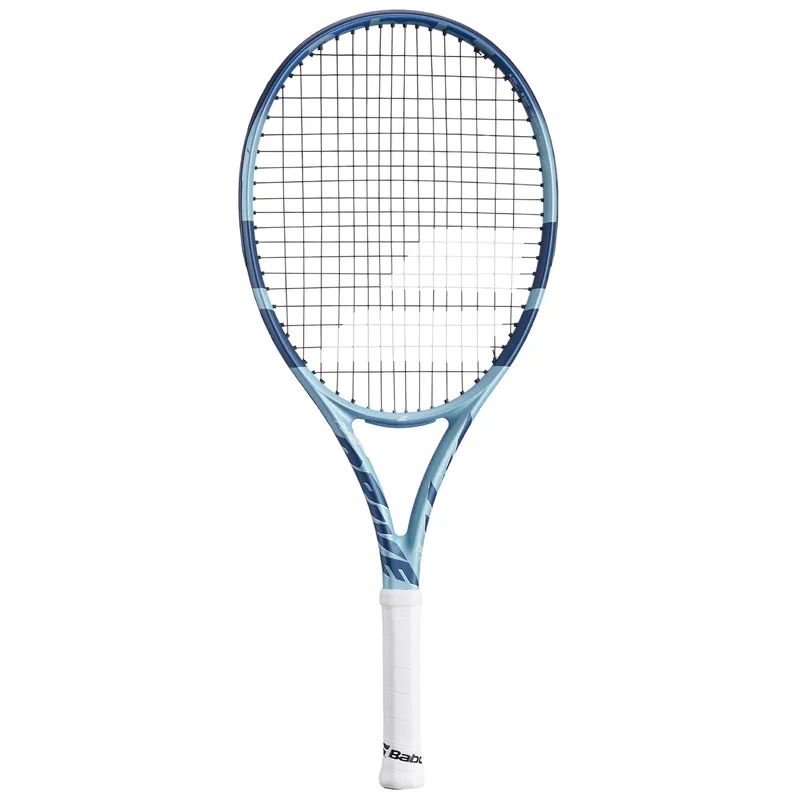
In contrast, the Babolat B'Fly Junior 21 uses an aluminum composition. Aluminum is fantastic for durability (it can take a beating on the driveway) and keeps the racquet incredibly light. However, it lacks the energy return and vibration dampening of graphite. If your kid is just whacking balls for fun, aluminum is fine. If they are taking weekly lessons, the graphite Pure Drive offers the playability they need to improve.
Sizing and Target Audience
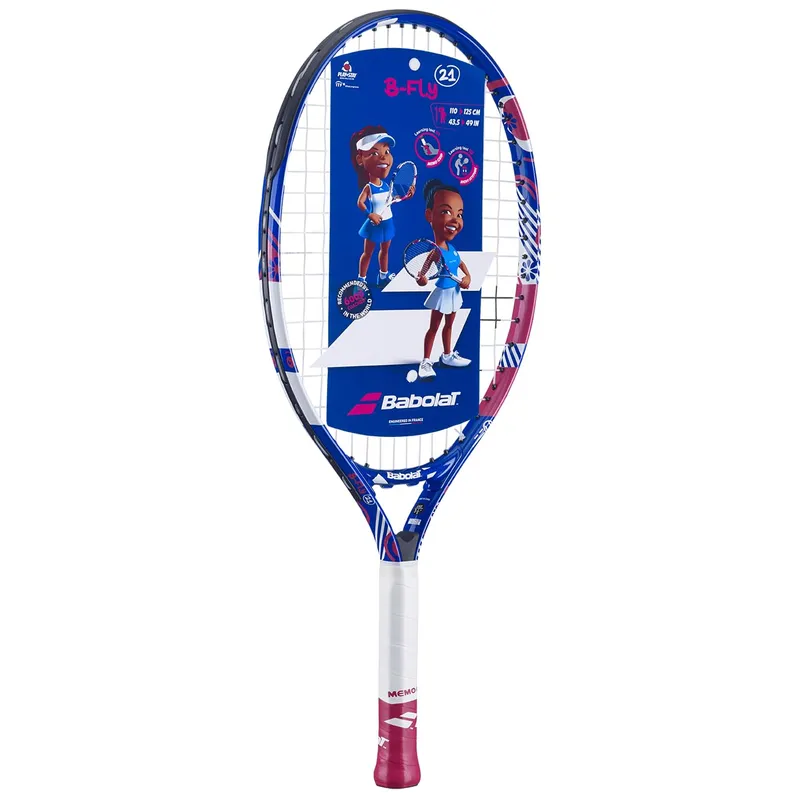
Tennis racquets aren't one-size-fits-all; they are like shoes. The Babolat B'Fly Junior 21 is specifically designed for children between 43 and 49 inches tall (roughly ages 5-7). At 21 inches long and only 6.3 oz, it is short and light enough for a small child to swing without dragging it on the ground. It uses a smaller 92 sq in head to keep the balance manageable for weak wrists.
Watch: Babolat Pure Drive Junior 25 Tennis Racquet 3 7/8" Grip
The Babolat Pure Drive Junior 25 (with its 26-inch spec length) is a transition frame. It is meant for juniors who are taller (usually 55+ inches) or strong enough to handle a 9.4 oz swinging weight. It bridges the gap to adult racquets. Putting a 21-inch racquet in the hands of a 10-year-old will stunt their development, while handing a heavy Pure Drive to a 5-year-old could cause wrist injury.
Performance Tech vs Learning Aids
Babolat approaches these two frames with different philosophies. The Babolat Pure Drive Junior 25 is a "mini-me" of the famous adult Pure Drive. It features NF2 Tech for vibration filtering and FSI Power string interaction. This means when a junior hits the sweet spot, they get genuine power and spin potential. It rewards good technique.
Watch: Babolat B'Fly Junior 21" Tennis Racquet
The Babolat B'Fly Junior 21, on the other hand, is a teaching tool. It includes a two-colored grip and visual tips on the frame (the "Memogrip" system) to help kids learn how to hold the racquet for forehands and backhands. It solves the "wait, how do I hold this?" problem instantly. It’s not about hitting winners; it’s about making tennis accessible and fun so they don't quit.
Does the string pattern affect learning? expand_more
Yes. The Pure Drive's 16x19 pattern is open, allowing for spin generation—essential for modern tennis. The B'Fly's 14x15 pattern is very open relative to its small head, making it forgiving but less precise.
Use-Case Scenarios
| Scenario | Best Choice | Why? |
|---|---|---|
| First time on court (Age 5-7) | Babolat B'Fly Junior 21 | The visual grip aids and ultra-light weight make learning easy. |
| Tournament Training | Babolat Pure Drive Junior 25 | Graphite construction provides the necessary power and control for competition. |
| Driveway / Park Play | Babolat B'Fly Junior 21 | Aluminum is durable enough to survive drops on concrete. |
| Transitioning to Adult Balls | Babolat Pure Drive Junior 25 | The stability helps handle the heavier impact of standard yellow tennis balls. |